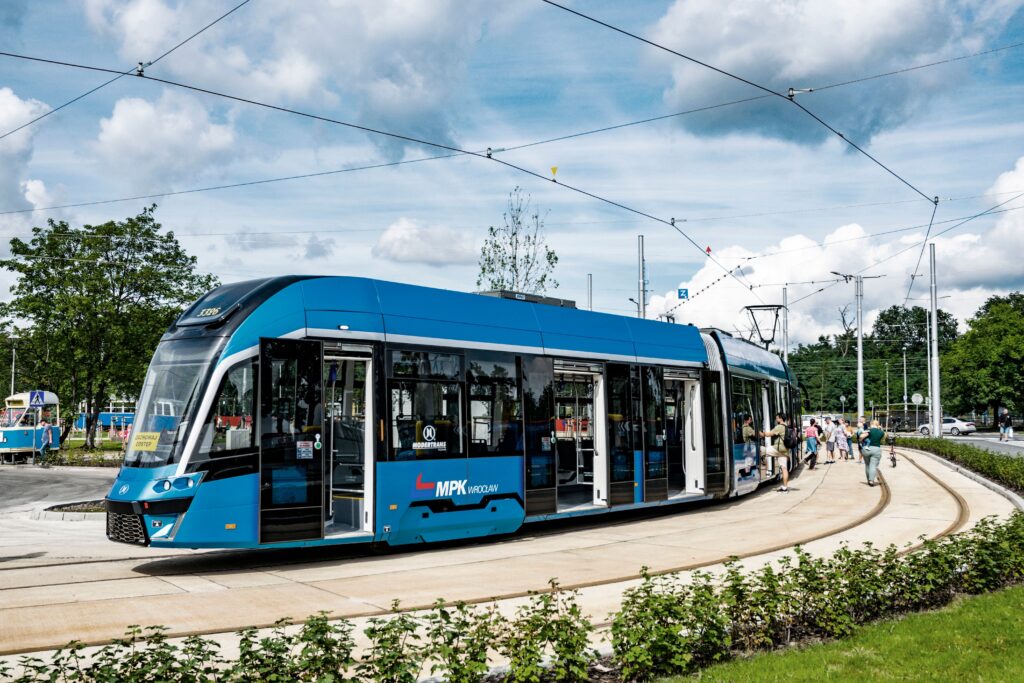
My First Experience with Transportation in Poland
Every country has its own rhythm, and transportation is one of the first things that reveals how a society functions. During my four years of living in Poland, I have realised that transportation in Poland is not just about buses, trams, roads, or tickets. It reflects the country’s discipline, organisation, safety, accessibility, and respect for people and public spaces.
My journey with transportation in Poland began in 2022 when I moved to Kraków. One of my earliest experiences was travelling from the airport to my accommodation by taxi. Looking through the window, I found myself observing everything—the roads, traffic patterns, signs, and the movement of vehicles.
The first difference I noticed was the driving system. In Poland, vehicles drive on the right side of the road, unlike India, where vehicles drive on the left. The steering wheel is also positioned differently, as cars in Poland usually have it on the left side.
Another detail that caught my attention was the condition of the roads. The streets looked clean, well-maintained, and carefully planned. I was impressed by the quality of road construction and how smoothly vehicles moved without frequent interruptions caused by damaged surfaces or potholes. Coming from India, this difference was quite noticeable to me. The strong infrastructure and regular maintenance showed me that transportation is not only about vehicles and routes; it also depends on the quality of the spaces through which people travel every day.
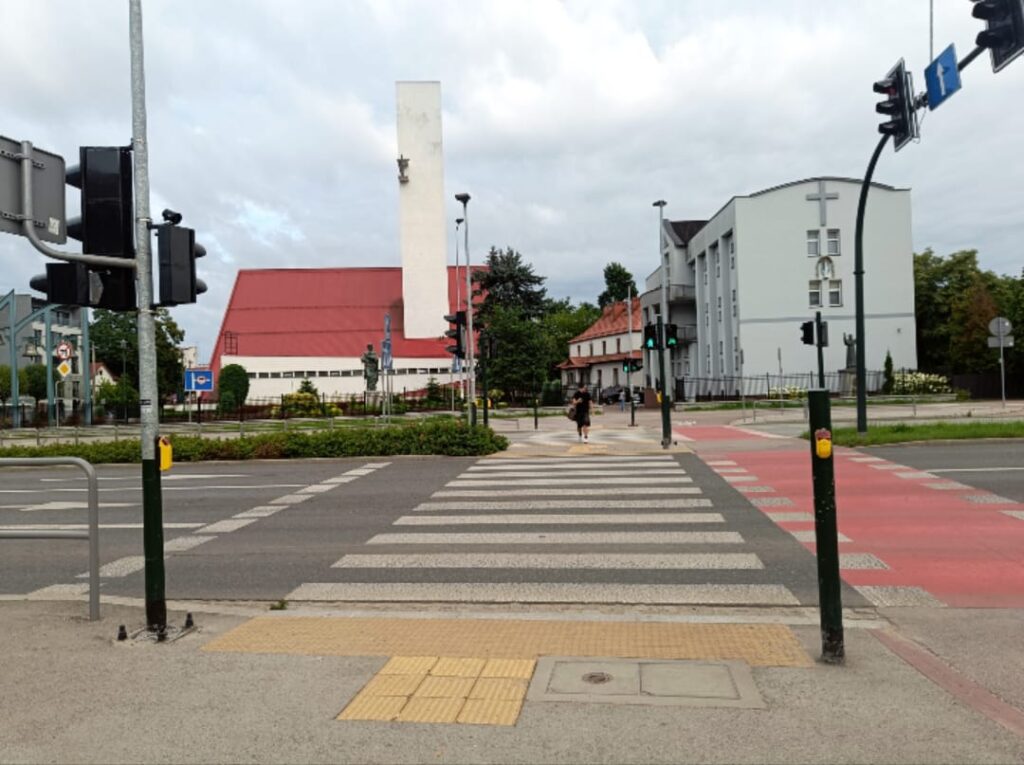
I also noticed that pedestrians naturally walk on the right side of pathways, staircases, and public spaces. These small differences made me realise that adapting to a new country is not only about learning a language or understanding a culture; it is also about adjusting to everyday systems that people follow naturally.
Those first observations made me curious to explore how transportation in Poland is designed to make daily life safer, more organised, and accessible for everyone.
Public Transportation in Poland: A System Built on Trust
One of the biggest differences I noticed between India and Poland was the way public transportation operates.
In India, passengers often rely on conductors for purchasing tickets, especially on buses. In Poland, passengers are responsible for buying their own tickets, which can be purchased from ticket machines at stops, machines inside some vehicles, or mobile applications. However, purchasing a ticket is only the first step. It must also be validated after boarding the vehicle. This rule is clearly explained by the Academy of Fine Arts in Kraków: “All types of tickets must be validated in the ticket puncher immediately on boarding the vehicle.” Without validation, even a purchased ticket is considered invalid.
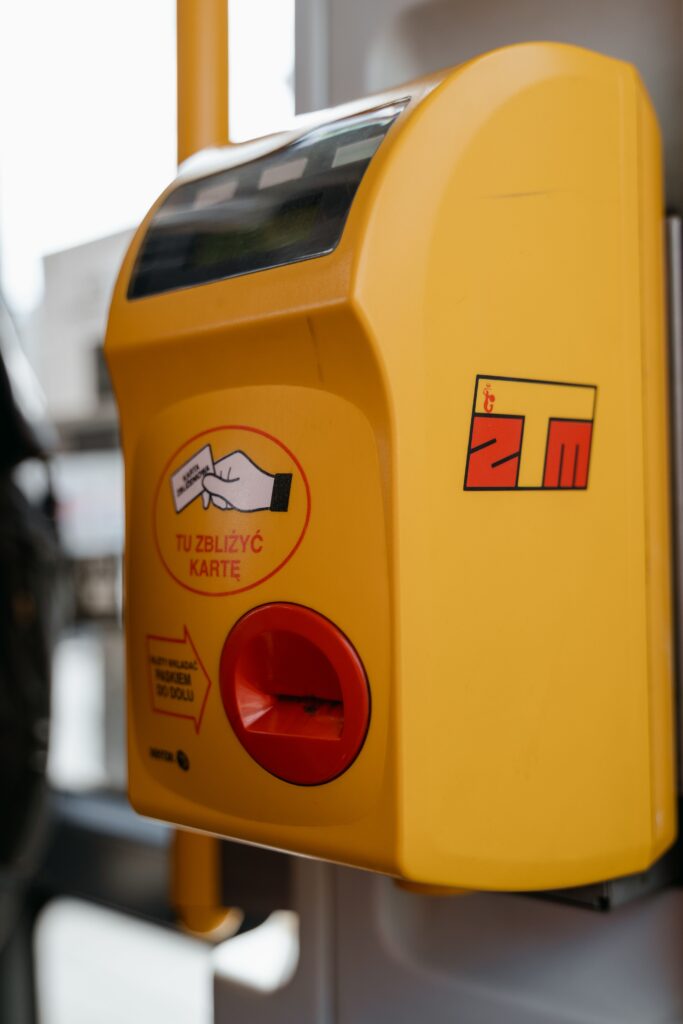
Initially, this system felt unusual to me. I wondered how public transportation could function smoothly without conductors checking every passenger. Over time, I understood that this system works because it is built on trust and personal responsibility.
People follow the rules because they understand that public systems function efficiently when everyone contributes. The absence of constant supervision does not create disorder. Rather, it encourages a culture where individuals understand their responsibility and act accordingly.
Learning the Importance of Rules in European Transportation
My understanding of transportation rules became clearer during a trip to Prague, Czech Republic, shortly after moving to Poland.
My husband and I travelled to Prague with another couple. We purchased three-day travel passes and felt fully prepared for our journey. However, while travelling by bus, a ticket inspector entered and began checking passengers’ tickets. We confidently showed our passes, expecting everything to be fine, but instead, we were asked to leave the bus.
We were confused at first, but then realised our mistake. Although we had purchased the tickets, we had forgotten to validate them. As first-time visitors, we explained that it was an honest misunderstanding. However, the same rules applied to everyone, and we received a fine of 1,000 CZK per person.
At that moment, the fine felt strict for a simple mistake. Later, I understood the deeper lesson behind that experience. Transportation systems function efficiently because rules are followed consistently, without exceptions based on personal situations.
Coming from India, where flexibility and personal communication can sometimes help resolve everyday issues, this experience showed me how clear rules and shared responsibility can create fairness, trust, and efficiency in public systems.
Safety and Responsibility: What Transportation in Poland Reveals About Society
Another important aspect of transportation in Poland is the importance given to safety. Rules are not simply restrictions. They are designed to protect people.
Seat belts are mandatory, and parents travelling with young children must use appropriate baby seats. I experienced this personally when we booked a taxi to take our baby to a doctor’s appointment. When the driver noticed that we did not have a baby seat, he refused to take us.
Initially, we felt disappointed because we had an urgent appointment. However, we later understood that the driver was not trying to create difficulty; he was simply following safety regulations.
That experience changed my perspective. Many rules that may seem inconvenient at first exist because they are created to protect human lives.
Safety is also visible in how road users respond to emergency situations. Emergency vehicles such as ambulances, police cars, and fire brigades receive priority on roads, and drivers quickly move aside to allow them to reach people without unnecessary delays.
This same sense of responsibility can be seen in the way drivers treat pedestrians. Like many other European countries, Poland places strong importance on pedestrian safety. At pedestrian crossings, drivers usually stop when they see someone waiting to cross.
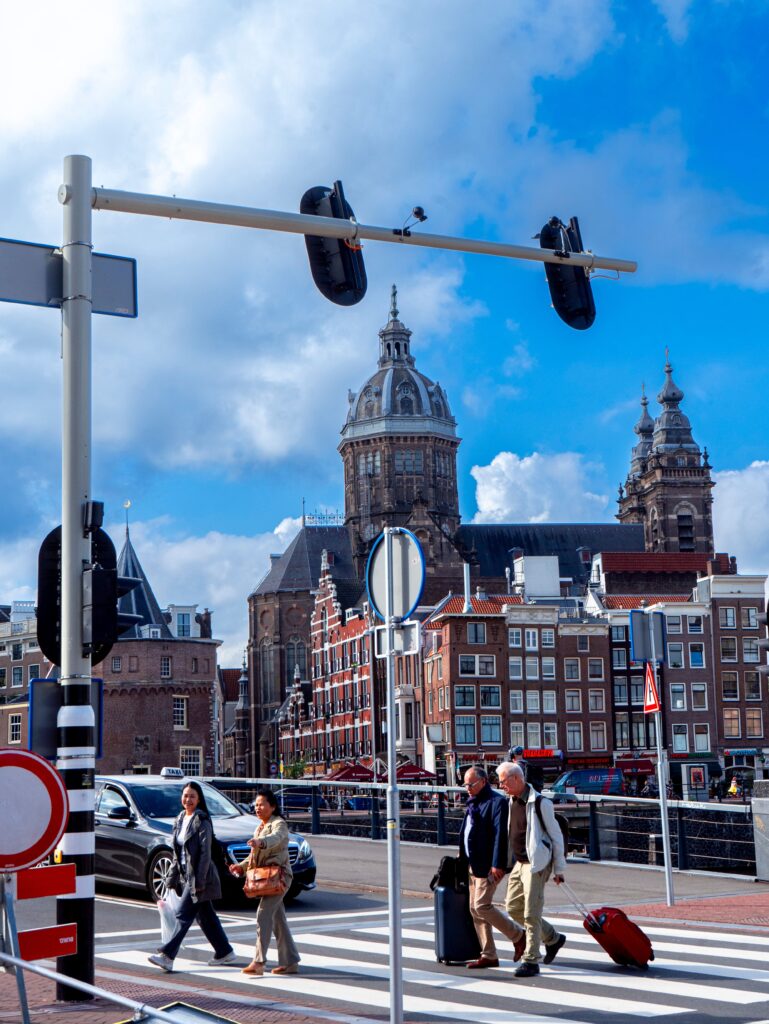
This simple habit creates trust between pedestrians and drivers. Walking on the streets often feels safer because people understand that road systems are designed with human safety in mind.
The success of this system comes not only from laws and penalties but also from people’s understanding that responsibility is shared. Transportation reflects society because it shows how people respect rules, protect one another, and contribute to a safer environment.
Accessibility in Transportation: Creating Mobility for Everyone
With my background in Disability Studies, I have always been interested in how societies create equal opportunities for people with different needs. The way transportation systems support independent mobility is one of the aspects of Poland that impressed me the most.
Public transportation in Kraków reflects the idea that mobility should be available to everyone, regardless of age or physical ability. Low-floor buses and trams, wheelchair-accessible entrances, elevators at stations, and dedicated spaces for wheelchairs and baby strollers show that inclusive design has become an important part of public infrastructure.
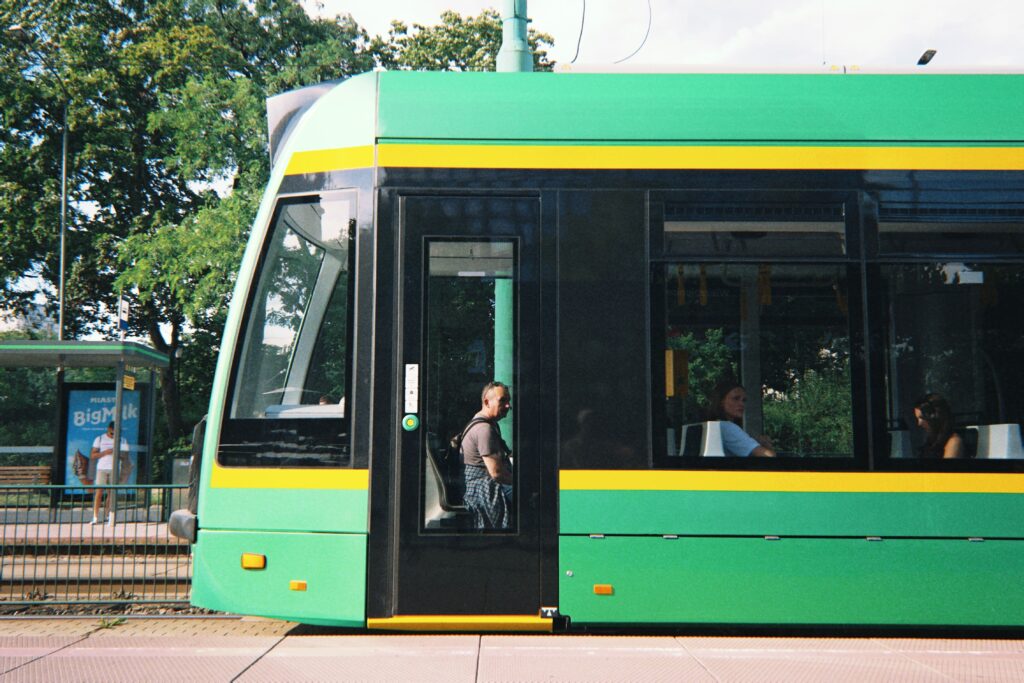
These facilities are not only beneficial for people with permanent disabilities. They also make daily travel easier for elderly people, pregnant women, parents travelling with young children, and those recovering from temporary injuries.
Accessibility goes beyond physical design. At pedestrian crossings, sound signals help people with visual impairments understand when it is safe to cross the road. Digital information boards at stations and audio announcements inside vehicles make travel easier for people who cannot rely only on visual information.
True accessibility is not only about providing facilities. It is about creating an environment where everyone can participate independently, confidently, and with dignity.
Beyond Transportation: Building Inclusive Cities
The idea of accessibility in Poland goes beyond buses and trams. It is also visible in the way cities are designed for everyday life.
In Kraków, cycling paths, pedestrian zones, and accessible public spaces create a more comfortable environment for everyone. Wheelchair users, elderly people, and parents with strollers can move around the city with greater independence.
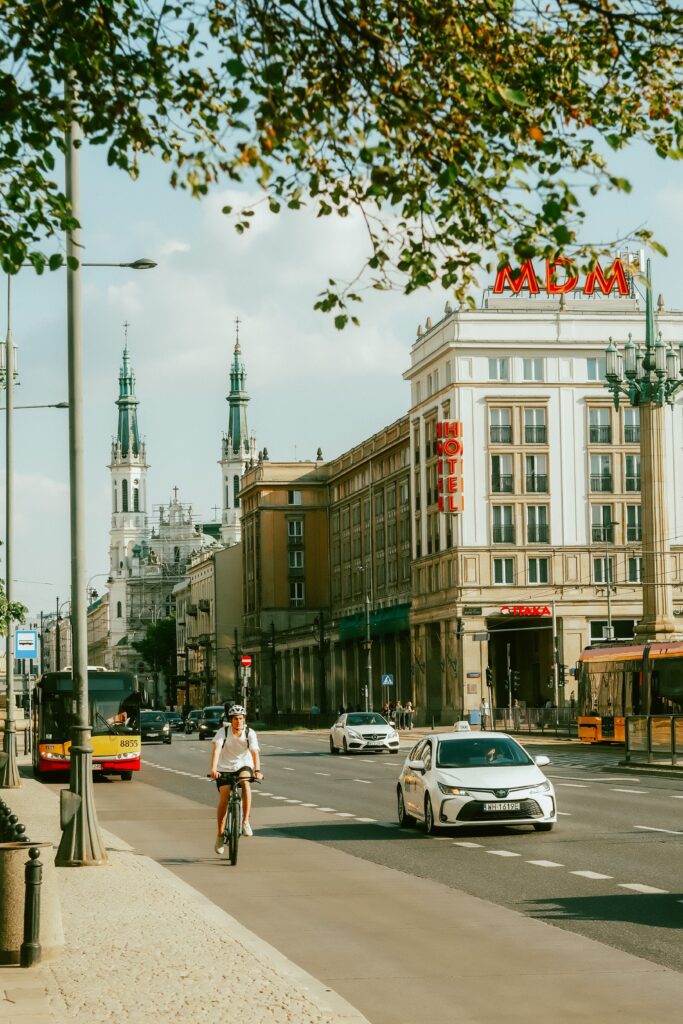
I have also noticed that during road construction, temporary arrangements are often made to reduce difficulties for pedestrians and passengers. This reflects a people-centred approach where safety and convenience are considered.
A truly inclusive city is not one where separate facilities are created only for certain groups. It is a city where spaces are naturally designed so everyone can participate equally.
From Research to Reality: My Perspective on Accessibility
During my PhD research in Disability Studies, I explored accessibility and inclusive design mainly through academic literature, research papers, and theoretical discussions.
However, living in Poland transformed those concepts into real-life experiences. Ideas I had studied, such as accessible infrastructure, independent mobility, inclusive design, and equal participation, were no longer just theories. I could see them functioning in everyday life.
This experience helped me understand that accessibility is not only about physical structures. It is about creating a society where every person feels respected, included, and valued.
Transportation in Poland: More Than Just Movement
My experience with transportation in Poland has changed the way I see public systems. Transportation is not only about buses, trams, roads, or tickets but also about responsibility, safety, accessibility, and respect for others. The World Bank highlights the importance of transportation in creating inclusive and sustainable cities. It states that “Urban transport is vital for connecting people to jobs, education, healthcare, and other essential services in cities.” This reflects how transportation systems support not only daily movement but also connections between people, opportunities, and communities.
A well-organised transportation system reflects the values of a society by showing respect for time, safety, equality, and human dignity. When systems are designed around people’s needs and rules are followed responsibly, they create a better environment for everyone.
For me, transportation in Poland represents a balance between discipline and humanity. A truly effective transportation system does more than move people from one place to another; it creates a society where everyone can travel freely, safely, and independently.
References
- Academy of Fine Arts in Kraków. “Public Transport.” Academy of Fine Arts in Kraków, n.d., https://www.asp.krakow.pl/public-transport/. Accessed 7 May 2026.
- World Bank. “Transport.” World Bank, n.d., https://www.worldbank.org/en/topic/transport. Accessed 7 May 2026.
If you enjoyed reading about transportation in Poland, you may also like my article “Falling in Love with Kraków – The Cleanest City in the World”, where I share my experiences of living in one of Europe’s cleanest cities.
Have you experienced public transportation in another country? I’d love to hear about your experiences and thoughts in the comments below!
Very nice information
Thanks! 😊 I’m glad you found it useful. Your support means a lot! ❤️
Very nice and beautiful writing.
Thank you so much! ❤️ I truly appreciate your kind words and encouragement. 😊
Very detailed explanation. Excellent write-up! You explained Poland’s transportation system very clearly. I learned a lot from your blog. Keep up the great work!
Thank you so much for your encouraging words! 😊 I’m delighted that you found the information useful and easy to understand. Your support truly motivates me to keep writing! ❤️
It felt really good reading the blog
Thanks dear! 😊 I’m really glad the blog gave you a good reading experience. ❤️
Madam best 👌👍👍
1 नंबर जाऊदे झाडून
खूप खूप धन्यवाद! ❤️
I totally mesmerized about the transportation facts of Poland. I really enjoyed the article with my family as my children astounded of the photos shared by you.
Do share other experience of yours there…
I totally mesmerized about the transportation facts of Poland. I really enjoyed the article with my family as my children astounded of the photos shared by you.
Do share other experience of yours there…
Thank you for sharing such a well-written article on transportation. It was informative, interesting, and easy to understand. I really appreciate the effort you put into presenting the information so clearly. Great work!
Thank you so much for your thoughtful feedback! 😊 I truly appreciate you taking the time to read and share your kind words. ❤️
Great read and very insightful. Thanks for sharing
Thank you so much! 😊 I’m glad you found it insightful. Really appreciate your support! ❤️
Very Nice
Thanks sir 😊 Really appreciate it! ❤️
Pingback: Healthcare in Poland for Foreigners: What I Learned Living in Kraków - Trupti Writes
Thanks for sharing. The detailed explanation of Poland’s transportation system was clear, informative, and well-organized. I gained valuable knowledge from your blog. Wishing you continued success.
Thank you so much for your kind words and wishes! 😊 I truly appreciate your support and am glad you found the blog useful. ❤️
This is incredible, Madam. I just felt I was actually there on the streets of Poland, seeing everything that is reflected in your writing. Your experience in Poland is just imaginary for many Indians, as we do not have such transportation as well as the sense of responsibility carried out by the citizens. We should be more aware and, most importantly, need to be wiser while using public facilities. I just enjoyed your experience and the way you expressed it through words. I am looking forward to many more articles from your side.
Thank you so much for such a heartfelt comment! ❤️ I’m truly happy that my words could make you feel as if you were there. Your appreciation and encouragement mean a lot to me. 😊
Very Nicely described….👌👌👌👌👌
Thanks!😊 I truly appreciate your kind words and support. ❤️
It was pleasant and enlightening to read your experience of public transport in Poland. A well written article which showcases how even public transport system of a country reflect societal values! Thank you.
Thank you so much for your kind words! I’m glad you enjoyed reading it and connected with my observations. 😊