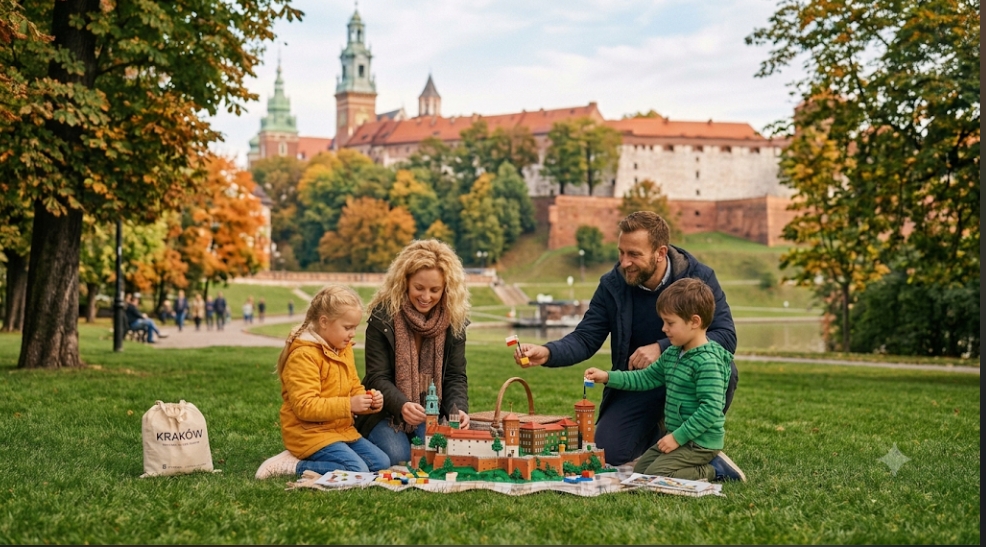
My First Impressions of Parenting in Poland
Before moving to Poland, my understanding of parenting was shaped by experiences I had witnessed in my own life. I still remember an incident when I was waiting for my father outside the Ambabai Temple, a famous Hindu temple in Kolhapur, Maharashtra, India. I saw a man repeatedly hitting his young son, who was crying because his mother had gone inside the temple to offer prayers and seek Ambabai’s darshan (a devotional viewing of the deity).
The father was hitting him because he would not stop crying. It was difficult for me to watch, and I wanted to intervene. However, I did not have the courage to do so because I was worried about how he might react and whether he would question me for trying to stop him.
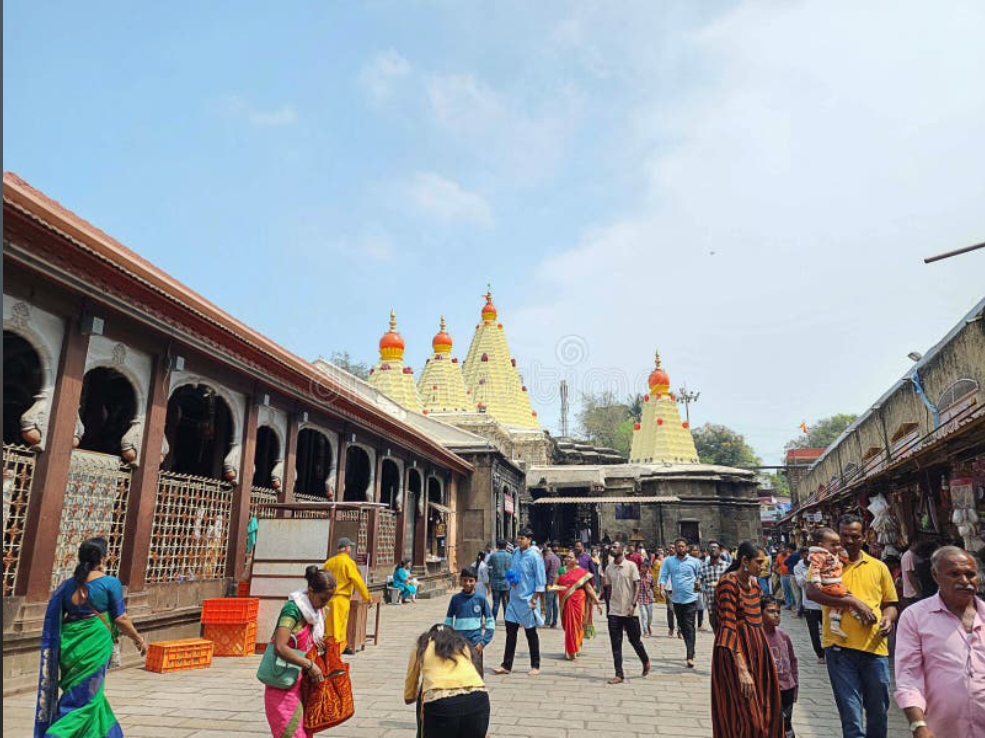
Although I could not bring myself to step forward at that moment, the incident stayed in my mind. It made me reflect on how differently societies view discipline, children’s rights, and the responsibility of others to protect children.
When I moved to Poland, I expected parenting in Poland to be similar to the parenting approaches I was already familiar with. I assumed I would often see parents shouting, scolding, or reacting strongly when children misbehaved in public spaces. However, what I observed about parenting in Poland was different from what I had imagined.
Since I live in Kraków, I have noticed something that continues to surprise me. In parks, shopping malls, streets, and on public transport, children behave like children everywhere else. They cry, throw tantrums, refuse to listen, and sometimes become upset. But what stands out to me is how calmly many parents respond.
Instead of immediately raising their voices, many parents I observe communicate gently, comfort their children, or patiently explain the situation. There seems to be a strong emphasis on emotional control, respectful communication, and helping children understand rather than simply obey.
At first, I thought this might be a coincidence. However, as I continue living in Poland, I keep noticing the same pattern. It makes me curious whether this calm approach is influenced by Polish culture, social values, child protection laws, or a combination of all three.
A Different Approach to Raising Children
One of the biggest differences I have noticed is the way parents handle challenging situations.
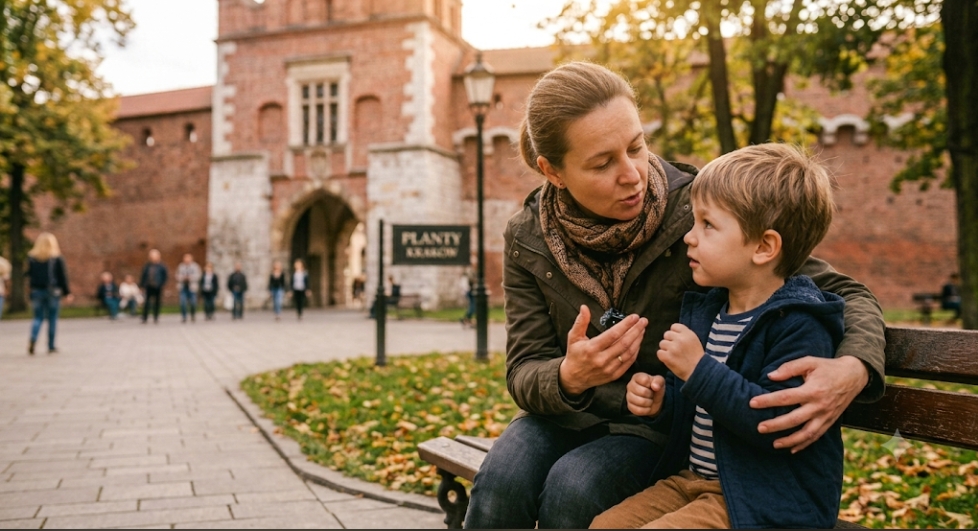
Children everywhere test boundaries. They may cry because they want something, refuse to leave a playground, or become frustrated in a crowded place. In my observations, many Polish parents handle these moments with patience rather than anger. They often use explanations, emotional support, and gentle guidance instead of punishment.
This does not mean that every parent in Poland follows the same parenting style. Every family has its own values, experiences, and challenges. However, the approach I have often observed places a strong focus on calm communication and children’s emotional development.
This has been particularly interesting to me because parenting styles can vary greatly across cultures. In some societies, discipline and obedience may be given greater importance, while in others, emotional connection, understanding, and gentle guidance may receive more attention.
Child Protection Laws in Poland
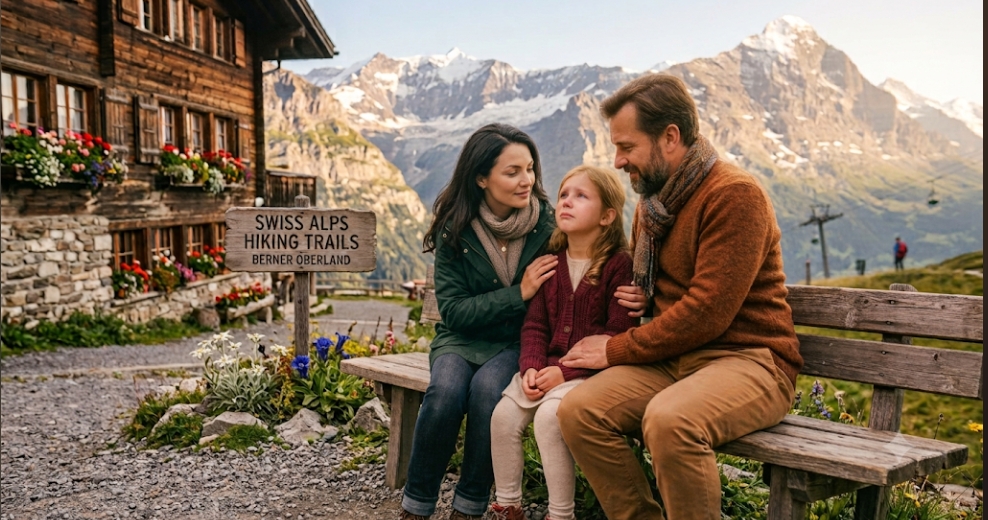
As I became more curious about these differences, I learned that Poland has strong child protection laws. One of the key rules is that corporal punishment is not allowed.
According to End Corporal Punishment, an organization that works to end corporal punishment of children worldwide (2024), “Corporal punishment is prohibited in all settings, including the home” (P. 1). This means that physical punishment, such as hitting or spanking children, is not allowed at home, in schools, or in other care settings. Instead, the focus is on respectful communication, emotional support, and non-violent ways of raising children.
Learning about this law helped me better understand why I frequently observe parents in Poland remaining calm in public situations. While every family is different, the legal framework promotes positive and non-violent parenting practices.
Stories About Child Safety in Poland
Living in Kraków has given me the opportunity to hear personal experiences and perspectives from people I have met, including other Indian families living in Poland.
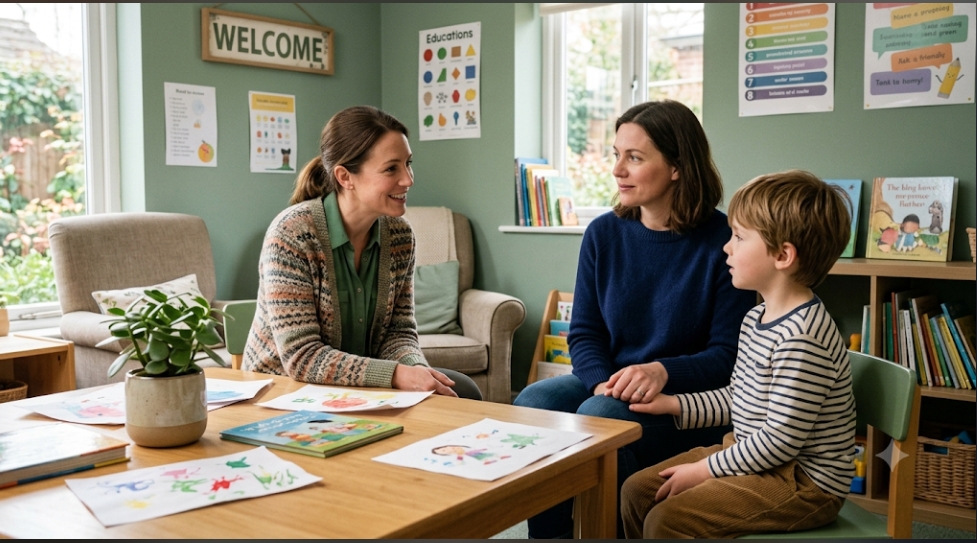
Some people I spoke with shared that child safety is taken very seriously in Poland. One family told me about a situation where a Polish neighbor expressed concern after seeing a parent physically discipline a child and mentioned that such behaviour could be reported. This conversation helped me understand how seriously child protection is viewed and respected in Poland.
I also heard about situations where schools became involved when children were affected by difficulties at home. According to these accounts, the focus was on creating a safer and calmer environment for the child. These conversations made me realize that child safety is often viewed as a shared responsibility.
These stories also made me reflect on the differences in awareness and social attitudes towards child protection across cultures. Many countries around the world, including India and Poland, have laws designed to protect children. Indian parents, like parents everywhere, deeply care about their children and want the best for them. However, in some families and communities, shouting or physical discipline may still be considered a traditional way of correcting children.
Living in Poland has helped me understand that parenting is influenced not only by love and family values but also by awareness of local laws, social expectations, and cultural practices. A parenting practice that may be viewed differently in one society can have different legal and social meanings in another.
My experience has taught me that raising children in a new country also means learning about the values, expectations, and child protection systems of that society.
How European Child Protection Systems Work
More broadly, many European countries have strong child protection systems. Authorities may investigate reports of possible abuse or neglect, and sometimes they may act quickly if they believe a child is not safe.
However, child protection systems are complex, and rules and procedures differ from one country to another. Every case is assessed individually based on the specific circumstances, available evidence, and professional evaluations.
For example, in 2021, a widely discussed case involved an Indian family living in Germany whose seven-month-old daughter, Ariha, was taken into state care after an injury and medical check-up. Deutsche Welle (DW), a German international broadcaster, reported that “Ariha Shah was taken from her parents two years ago at the age of seven months after she suffered an injury and was later placed with foster parents” (Martin).
The case received significant media attention and led to discussions about child protection laws, parental rights, and government intervention in Europe. It also highlighted how difficult it can be to protect a child’s safety while respecting the rights of children and families.
What Poland Has Taught Me About Parenting
Living in Poland continues to change the way I think about parenting. It has shown me that raising children is influenced not only by family values but also by culture, social expectations, and laws.
As a mother myself, I know that parenting is not always easy. There have been moments when I have lost my patience while handling my younger daughter’s tantrums. Like many parents, I have felt frustrated, exhausted, and unsure of the best way to respond. Those moments have made me realize how challenging it can be to stay calm when emotions run high.
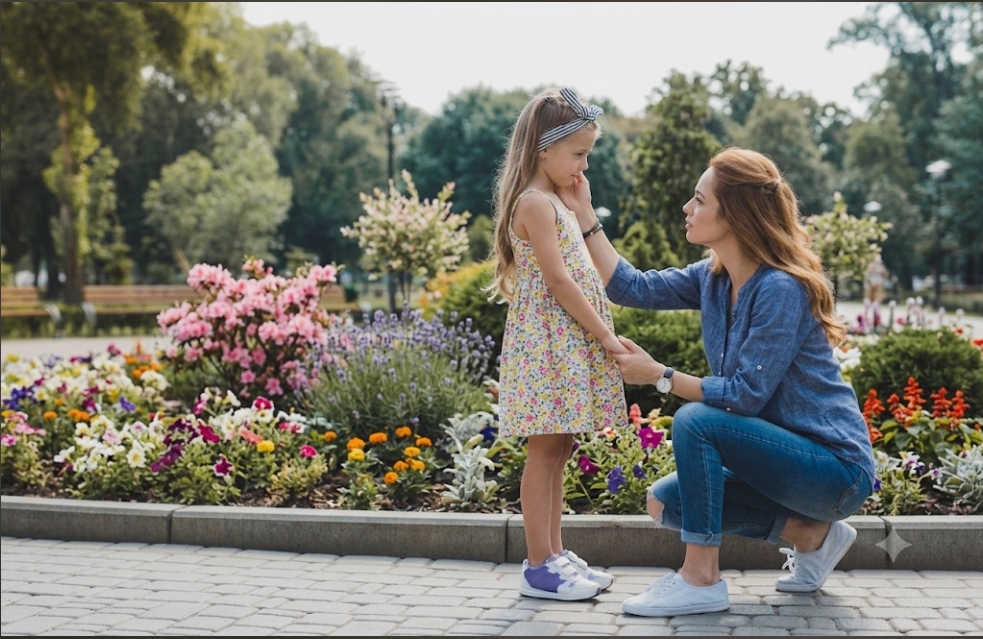
Perhaps that is one of the reasons why I admire the parents I have observed here. Watching many of them remain calm, patient, and respectful during their children’s difficult moments has made me reflect on my own parenting. It has encouraged me to become more patient and to respond with greater understanding rather than reacting in frustration whenever possible.
Of course, no parenting style is perfect, and every family has different circumstances. However, the calm and respectful approach I continue to observe here has genuinely impressed me. As a mother, I know that I am still learning every day. These experiences have inspired me to become more patient, understanding, and mindful in my own parenting journey.
Living in another country has taught me that some of the most meaningful cultural differences are found in everyday life. Sometimes, they are not seen in festivals or traditions but in simple moments—like how parents respond when their child cries in a public place.
For me, observing parenting here has become one of those experiences that continues to shape my understanding of raising children. It reminds me that culture, laws, and social values all play an important role in how children are nurtured and protected.
References:
- End Corporal Punishment. “Country Report for Poland.” End Corporal Punishment, Aug. 2024, https://endcorporalpunishment.org/reports-on-every-state-and-territory/poland/. Accessed 29 June 2026.
- Martin, Nik. “India Asks Germany to Return 2-Year-Old Girl in Foster Care.” DW, 2 June 2023, https://www.dw.com/en/india-asks-germany-to-return-2-year-old-girl-in-foster-care/a-65809849. Accessed 1 July 2026.
Related Articles:
If you enjoyed this article, you may also like:
Childhood Then and Now: How Screen Time Is Changing Modern Parenting
Healthcare in Poland for Foreigners: What I Learned Living in Kraków
Wah
Thank you so much! 😊 Means a lot! ❤️
As usual your observation and skill of presenting is ausome. Sixth one point should be there as we learn throughout our life by experience and observation…
Thank you so much for your kind words. I completely agree that life is a continuous learning journey shaped by our experiences and observations. 😊
I personally like it. This is a good way to tell everyone how to treat kids, they just want you, your attention and emotional support.
Thank you for connecting so deeply with the message. ❤️ Sometimes, our presence and attention are the most valuable gifts we can give our children. 😊
Your observation of Foreign land is very keen and true. I read your posts, they are well organized and informative.
Thank you so much for your thoughtful feedback. I truly appreciate your encouragement. 😊
Excellent piece of writing. It serves as a perfect example of how to cultivate moral values and shape the character of young children.
Thank you so much for your appreciation.😊