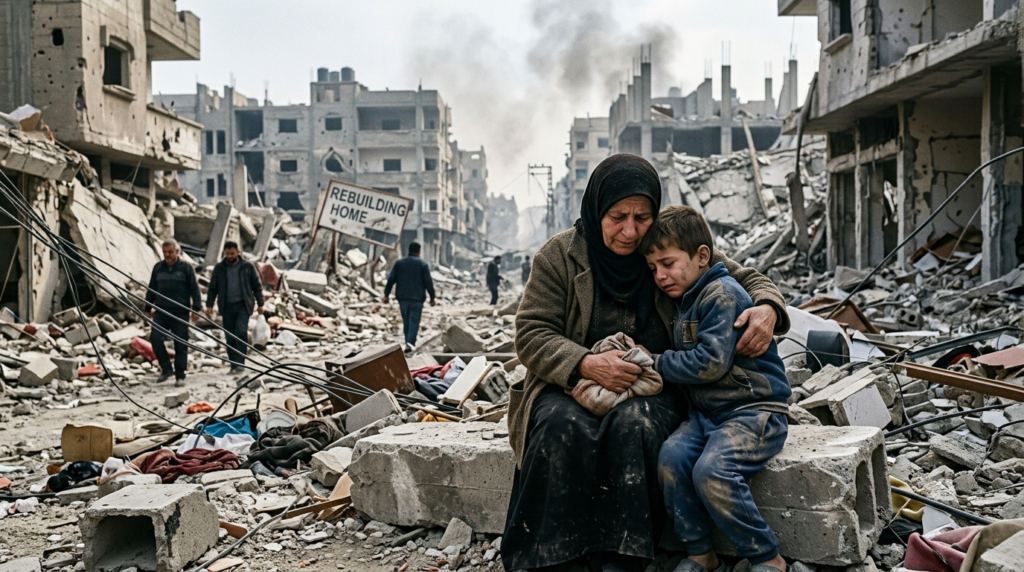
Almost everybody seeks money, success and power in this world. But what is the value of having them if we have no one with whom to share our lives? We are all social animals. We cannot live completely alone. We need family, friends, communities and societies. Living together requires us to follow certain rules, respect one another and understand that our actions affect others. These values are important for peaceful coexistence. The human cost of war reminds us that when conflicts turn into violence, the consequences extend far beyond battlefields and political decisions.
Despite everything human beings have achieved through intelligence and civilization, conflicts continue to arise, and some eventually turn into wars. This makes me wonder why we still choose war when we can communicate, negotiate and find ways to resolve our differences. We often understand the seriousness of war only after it happens. By then, however, the consequences cannot simply be reversed, as lives are lost, homes are destroyed, and families are separated.
The suffering cannot be measured only in numbers. Behind every statistic is a human being with a name, a family, a past and a future that may never exist. A child may lose a parent, a parent may lose a child, and families may lose the lives they once knew. This is why the consequences of war must be understood before destruction begins, not after it is too late.
Why Do Humans Fight?
If living together requires mutual respect and understanding, why do disagreements so often turn into conflict? Every individual has rights, but those rights also come with responsibilities. We expect others to respect our freedom, choices and dignity, but we sometimes forget that we have the same responsibility towards them. The same principle applies to communities and nations.
Differences in opinions, interests and beliefs are natural. The problem begins when people refuse to recognise the rights or concerns of others, allowing disagreements to become struggles for power, control or influence. Perhaps one of the biggest challenges in human society is that we often focus on what we deserve while overlooking what we owe to others.
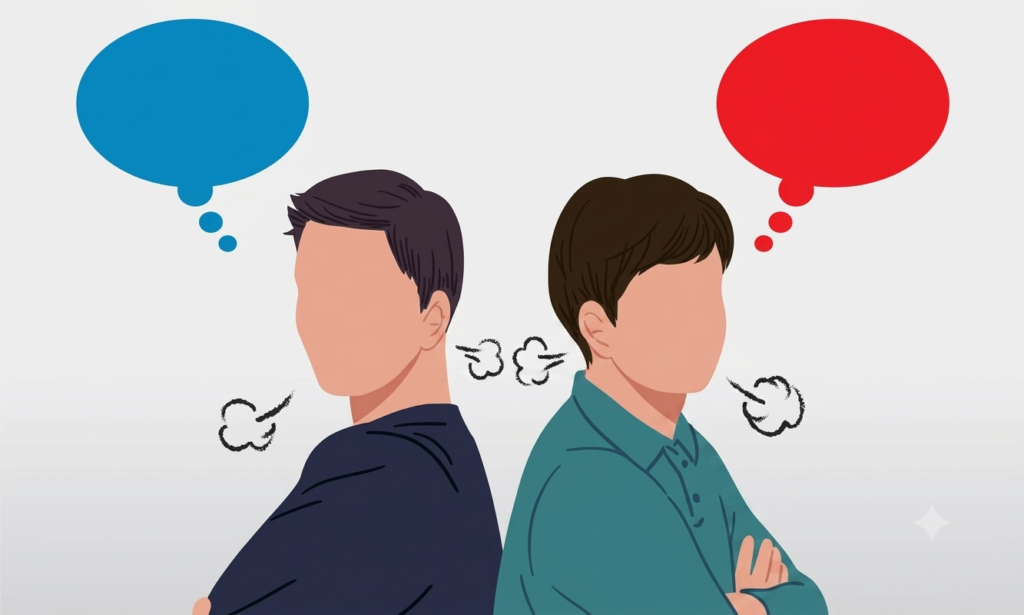
This reminds me of Leo Tolstoy’s words in War and Peace: “If everyone fought for their own convictions there would be no war.” Having different convictions is part of being human, but allowing those differences to become a reason for violence is a choice. Before choosing violence, perhaps we should ask whether there is another way to protect our interests and resolve our differences without destroying human lives.
Can Conflicts Be Solved Without War?
If disagreements are unavoidable, the real question is whether we can solve them without violence. People have different opinions, interests, beliefs and expectations. Countries can also have differences and disagreements. But not every disagreement needs to turn into a war.
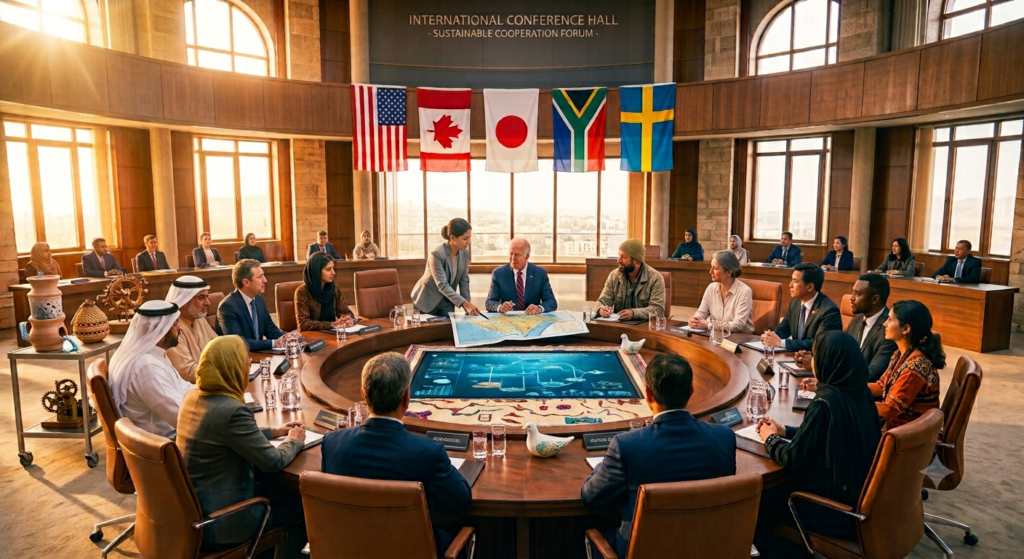
There are peaceful ways to deal with serious conflicts, such as dialogue, negotiation, diplomacy and mediation. When two sides cannot reach an agreement, a neutral third party can sometimes help them communicate and find common ground. Talking does not mean giving up one’s position or accepting injustice. It gives both sides a chance to understand each other and work towards a solution.
War is sometimes presented as the only answer to a serious conflict. But perhaps the real strength of humanity lies in finding solutions that protect human life while addressing the problem. The ability to destroy is not necessarily a sign of strength. Sometimes, choosing patience, communication and understanding requires far greater strength than choosing violence.
War Destroys More Than Lives
When conflicts turn into war, the damage goes far beyond the battlefield. War can destroy homes, schools, hospitals, roads, businesses and entire communities. Places that took years or even generations to build can be destroyed in a very short time.
History has shown us how devastating war can be. The Japanese cities of Hiroshima and Nagasaki remain powerful reminders of the destruction caused by nuclear weapons. Human beings have created weapons with the power to destroy entire cities, but this raises an important question: Just because we have the power to destroy, does that mean we should use it?
The damage caused by war is not always visible. Along with physical destruction, people can experience fear, grief, trauma and loss. These emotional wounds can remain long after the fighting has stopped. Buildings can be rebuilt, but restoring a person’s sense of safety and trust can take much longer.
This is why the effects of war can continue even after the war itself has ended. The physical damage may eventually disappear, but the memories and emotional wounds can remain for years or even generations.
The Invisible Cost: Dreams and Aspirations
War can change the direction of a person’s life. Dreams and aspirations that once seemed possible can suddenly become difficult or impossible to pursue.
A child may dream of becoming a doctor, teacher, artist or engineer. A young person may hope to build a career, while parents may simply want to give their children a safe and comfortable life. War can put all these dreams on hold. Children may have to leave school, young people may lose their education or jobs, and families may have to put their hopes aside.
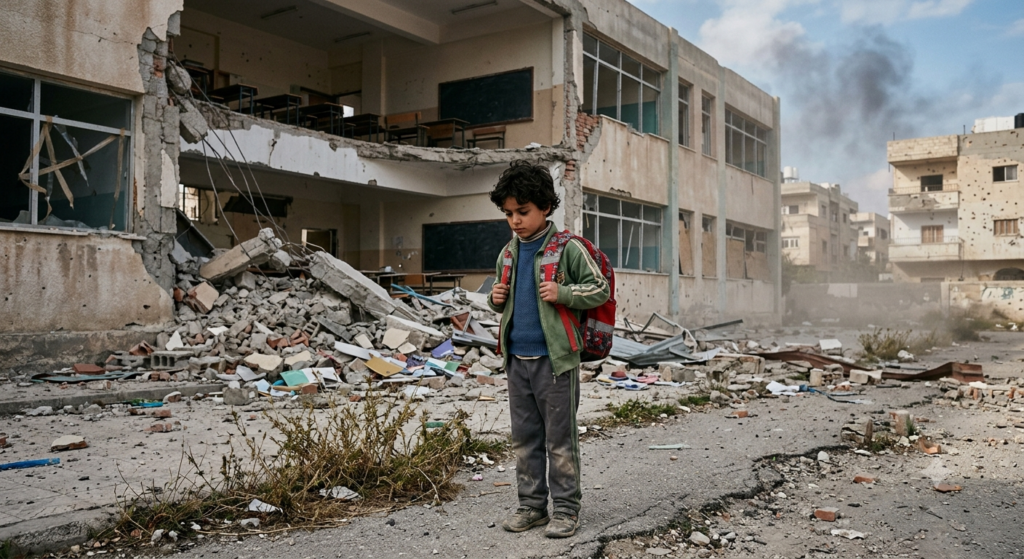
For many, even thinking about tomorrow becomes difficult when essential needs such as food, clean water, shelter and healthcare are hard to find. When finding the next meal becomes a daily struggle, dreams and ambitions can easily be pushed aside.
When People Are Forced to Leave Their Homes
After losing their dreams and struggling to meet their basic needs, many people are forced to leave the place they call home. For most of us, home is more than four walls and a roof. It is where we grow up, celebrate special moments, make memories and feel safe. It is connected to the people and places that make us feel we belong. War can take all of this away in a matter of days.
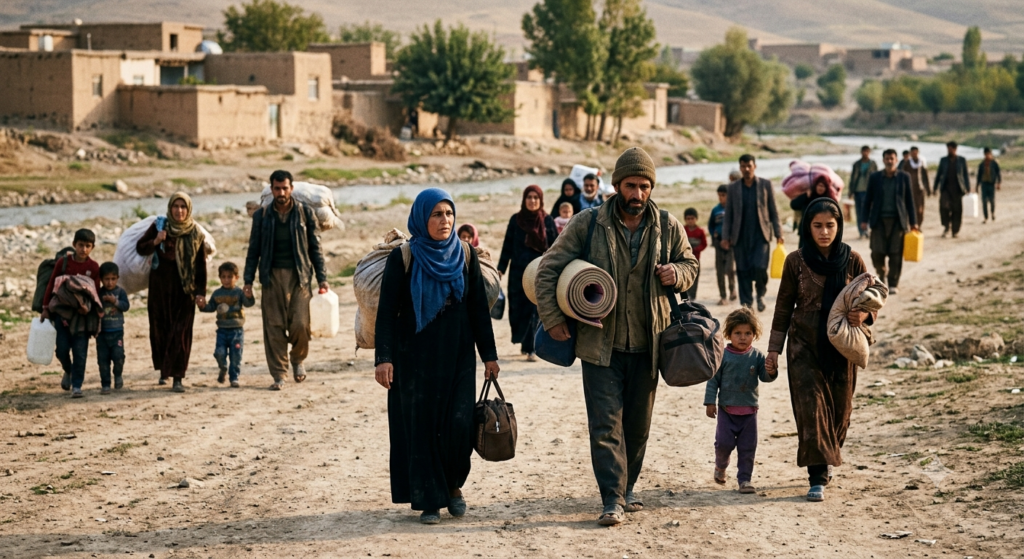
When people become refugees, they leave behind much more than their belongings. They may leave their homes, neighbours, friends, schools, jobs and familiar streets. Some have to carry everything they can in a small bag and walk away without knowing when, or if, they will ever return. The place where they spent years building their lives may become a place they can no longer safely call home.
Imagine having to leave home because staying could cost a person their life, without knowing if they will ever see it again. War can take away not only a person’s home, but also the feeling of belonging and security that comes with it.
Are We Moving Towards Another World War?
The effects of war are not something we can leave in the history books. We can still see them in the world around us. Conflicts in different parts of the world and growing tensions between powerful countries have made many people wonder whether the world could be moving towards another major war.
The war between Russia and Ukraine has continued for several years, causing widespread destruction and affecting millions of people. The ongoing war between the United States and Iran has also increased concerns about wider instability. At the same time, several countries possess nuclear weapons, making the consequences of a large-scale conflict even more frightening.
This does not mean that another world war is inevitable. Many countries are still working through diplomacy, dialogue and negotiations to prevent conflicts from spreading. NATO, for example, has said that it does not currently see an imminent threat of a direct attack on its members, even though tensions remain high.
Still, the present situation should make us pause and think. How far can conflicts go before they become impossible to control? If a major war involving nuclear weapons were ever to occur, the consequences could be far worse than anything we have experienced before.
The world has already seen what war can do. We should not wait for another devastating war to remind us of the value of peace.
Choosing Humanity Over Destruction
When war takes away people’s homes, dreams and basic needs, what do we really gain from it? The cost of war is paid by ordinary people, often by those who have little control over the decisions that lead to conflict.
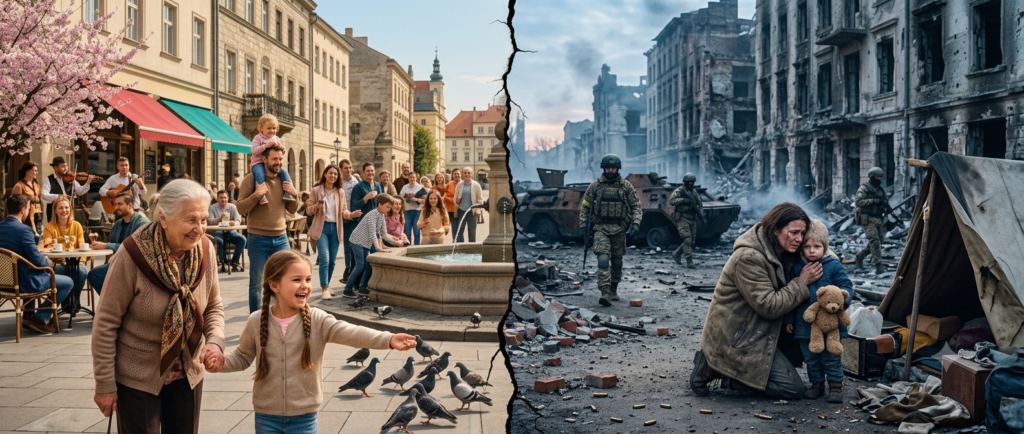
We are only temporary inhabitants of this world. Our time here is limited. We should use it to make our own lives and the lives of others better. What is the value of power or victory if ordinary people lose their homes, families, dreams and hope?
War brings destruction, but humanity gives us the chance to rebuild. War divides people, while compassion brings them together. Peace gives families a chance to stay together. It allows children to grow up safely and gives communities an opportunity to rebuild their lives.
Perhaps the greatest victory is not defeating another human being. Perhaps it is finding a way to live together without destroying one another.
What Can We Learn From War?
The human cost of war cannot be measured only by the number of people killed or the amount of property destroyed. It includes the child who loses a parent, the parent who loses a child, the soldier who returns home changed, the family forced to leave its home and the dreams that disappear before they have a chance to become reality.
War may be fought in the name of nations, ideologies or power, but its consequences are always human.
We have already seen enough destruction to understand what war can do. Humanity has the knowledge and experience to learn from the past. The question is whether we are willing to make better choices in the future.
Perhaps we should measure strength not by how much we can destroy, but by how much we can preserve.
It is time to choose humanity over war, dialogue over violence and life over destruction.
References:
- Tolstoy, Leo. War and Peace. Translated by Louise and Aylmer Maude, Project Gutenberg, 2001, https://www.gutenberg.org/ebooks/2600 Accessed 31 Aug. 2026.
Related Articles
You may also be interested in:
Victim Blaming in Rape Cases: Why Rape Is About Mindset, Not Clothes or Lifestyle
The Dowry System in India: A Practice That Still Haunts Women
अतिशय अभ्यासपूर्ण विवेचन….संवादपूर्ण जीवनाचा स्वीकार करुण मानवतावादाची स्थापना कारण्यासाठी प्रयत्नशील राहण ही काळची गरज आहे. विद्वन्साला जन्म देणारी युध्ये ही मनुष्य जीवनासाठी मारक आहेत. त्यावर आळा घालण्याचा मनुष्य प्राण्याने गंभीरपणाने विचार केला पाहिजे हा निष्कर्ष खूपच प्रासंगिक 👍👍💐💐
मनःपूर्वक धन्यवाद मॅडम! 🙏 आपल्या सुंदर आणि विचारपूर्वक दिलेल्या प्रतिक्रियेने मला खूप आनंद झाला. पुढे लिहिण्यासाठी नक्कीच प्रेरणा मिळाली. युद्धाऐवजी संवाद, सहअस्तित्व आणि मानवतावादाची गरज आज पूर्वीपेक्षा अधिक आहे. हा विचार समाजापर्यंत पोहोचवण्याचा माझा छोटासा प्रयत्न आहे. पुन्हा एकदा आपल्या सुंदर अभिप्रायाबद्दल मनापासून आभार! 💐🙏😊
👍
Thank you so much! 😊🙏
Really wars are destructive and harmful to human and ecology
Absolutely. Wars are destructive not only to human lives but also to our environment. We really need to choose peace and dialogue over violence. Thank you for sharing your thoughts. 🙏🌍
“The invisible cost” and “When peoples are forced to leave their homes” are the topics which touches the deep in the mind . Presently on any corner of the world war is going on which smashes the dreams of children who have no any fault. Peace is required to be maintained but ambition of rulers make the next generation suffer .
अभिनंदन मॅडम,💐
आपले चांगले विचार मांडले ते लोकांपर्यत पोचवण्याचे काम करता नक्कीच हाचा विचार इतर देशातील लोकांनी घेतला पाहिजे
खूप धन्यवाद सर! 💐🙏 तुम्ही केलेली स्तुती पाहून खूप प्रोत्साहन मिळाले. ❤️🙏
Pingback: American Gun Culture: Gun Rights, Freedom and Public Safety