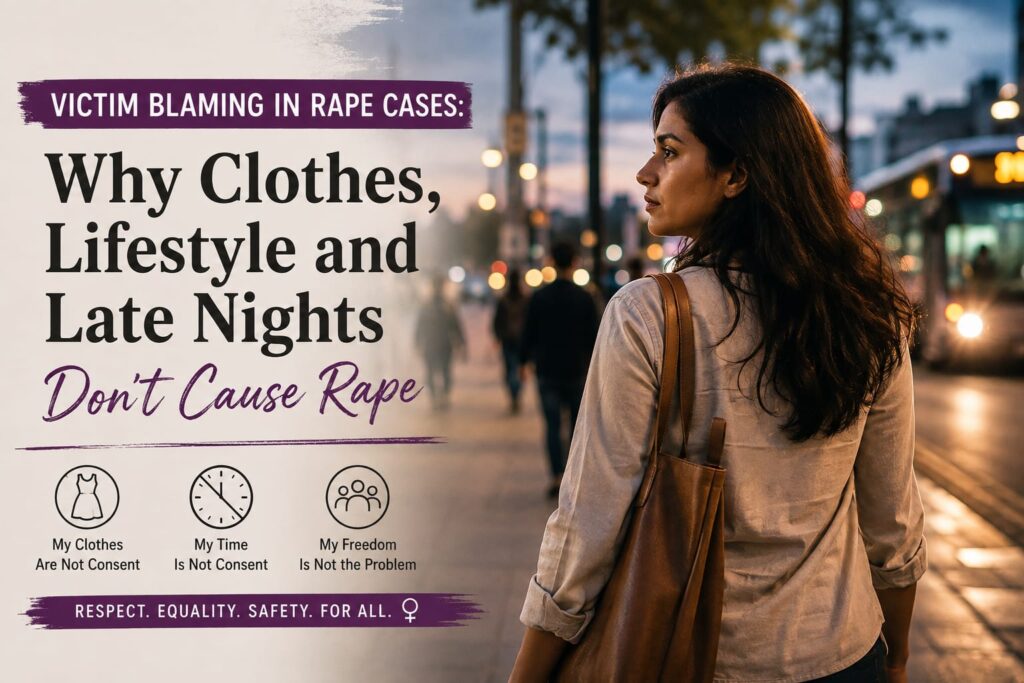
The Nirbhaya Case: A Turning Point for Women’s Safety in India
On 16 December 2012, a brutal crime in Delhi shocked India and the world. The incident later became known as the Nirbhaya case. It became a major moment in India’s discussions about women’s safety, justice, and equality. It also brought greater attention to victim blaming in rape cases—when people question a victim’s clothes, behaviour, choices, or lifestyle instead of focusing on the person who committed the crime.
The following day, The Times of India reported the incident with the headline “Girl gang-raped in moving bus in Delhi.” The report described how a young woman was attacked by a group of men inside a moving bus. The case led to widespread anger and protests across India, with people demanding justice and stronger measures to protect women.
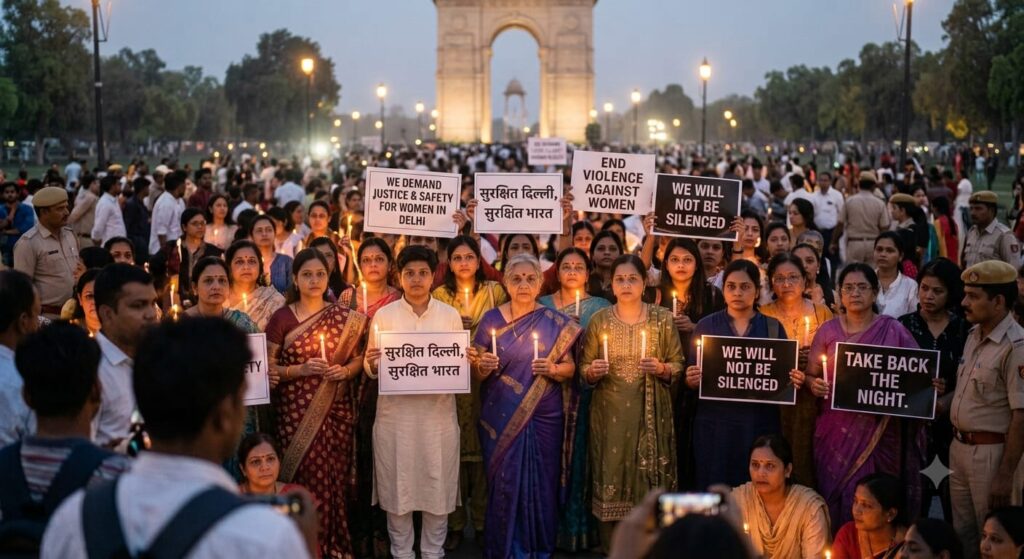
But the Nirbhaya case was not the only case in which victims faced questions about their choices. In many cases of sexual violence, people ask what the victim was wearing, why she was outside at night, where she was, or whom she was with. Such questions can shift attention away from the offender and place blame on the person who suffered.
The Nirbhaya case became an important part of India’s conversation about women’s safety, but victim blaming remains a wider social problem. A person’s clothing, lifestyle, or decision to travel at night never makes them responsible for another person’s decision to commit a crime.
Why Are Rape Victims Blamed?

Victim blaming often happens because some people believe that women can prevent sexual violence by changing their behaviour. Some believe women should avoid certain places, return home early, dress differently, or make different choices to stay safe. This way of thinking shifts the focus from the person who committed the crime to the person who experienced it.
But taking precautions does not make a person responsible for someone else’s actions. Being in a particular place, wearing certain clothes, or making a personal choice does not give anyone the right to harm them.
This kind of thinking can also make survivors feel ashamed or afraid to speak about what happened. Instead of asking, “Why was she there?” or “Why did she do that?”, society should ask, “Why did someone choose to harm her?”
Everyone has the right to study, work, travel, meet friends, and return home safely. The responsibility for sexual violence belongs to the offender, not the person who suffered it.
When Clothing Becomes a Reason for Judgment
A recent incident at Sinhagad Fort in Pune, Maharashtra, raises an important question about how quickly clothing can become a reason for judging others. According to media reports, an eight-year-old girl’s family was confronted after objections were raised about the girl’s shorts, and members of the family were allegedly assaulted. Whatever our personal opinions about clothing may be, disagreement should never turn into harassment or violence.
The world is changing very fast. Fashion, lifestyles, technology, and social habits are evolving, and women are naturally part of this changing world. Why, then, should women be expected to remain separate from these changes? Some people prefer traditional clothes, while others feel comfortable wearing modern styles. Both choices can exist in the same society. If someone believes that short dresses do not fit their idea of culture, they are free to follow their own values. But why should that belief be imposed on someone else? And does disagreeing with someone’s clothing give anyone the right to insult, threaten, or assault them?
Sometimes, a simple difference in choice becomes a much bigger issue when people bring the name of culture into it. Men wear shorts and casual clothes without much scrutiny, yet women and girls can face criticism for wearing similar clothes. The problem is not a short dress. The problem begins when personal beliefs turn into judgment and are used to control another person’s choices.
We may not like or agree with everything other people wear, and that is okay. Everyone has the right to make personal choices as long as those choices do not harm others. If we truly value our culture, shouldn’t respect, dignity, tolerance, and acceptance of differences be part of that culture too? Culture should guide our own lives—not become a reason to shame, control, or hurt someone else.
Does Clothing Cause Rape?
One of the most common ways victims are blamed is by questioning what they were wearing. This leads to an important question: Does clothing cause rape?
No. Clothing does not cause rape. Some people believe that wearing short or fitted clothes can attract sexual attention and lead to sexual violence. But if clothing were the reason for sexual violence, can we say that women wearing full-length or completely covered clothing have never been raped in the past, are never raped today, and can never be raped in the future? No. Women wearing different types of clothing can experience sexual violence, just as it can happen in different places and at different times.
One question often asked after sexual violence is, “What were you wearing?” When this question is used to suggest that clothing contributed to the assault, it unfairly shifts attention towards the victim. A person may wear a short dress, traditional clothes, a uniform, casual clothes, or any other type of clothing. None of these is an invitation to sexual violence.
This becomes even more troubling when we consider children. If clothing were the reason for sexual violence, how could we explain cases involving young girls and children? A child cannot be responsible for an adult’s decision to commit sexual abuse.
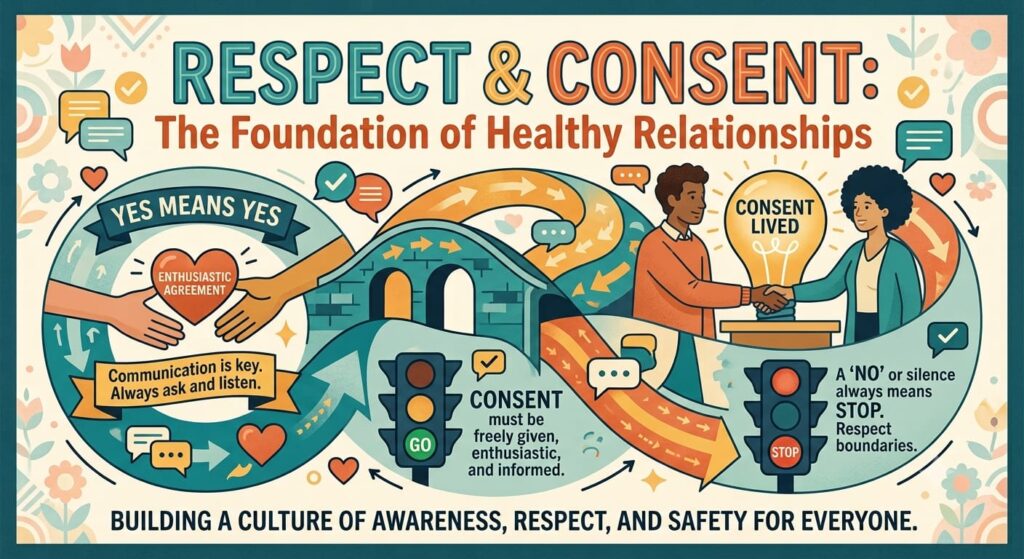
Clothing is not consent. Appearance is not consent. Neither clothing nor appearance gives anyone permission to violate another person’s safety or dignity.
The Real Problem Is the Offender’s Mindset
Victim blaming becomes especially disturbing when it is used to excuse the actions of an offender. The Nirbhaya case provides a clear example of how responsibility can be shifted from the perpetrator to the victim.
In a 2015 prison interview for the BBC documentary India’s Daughter, Mukesh Singh, one of the convicted offenders, said:
“A decent girl won’t roam around at 9 o’clock at night. A girl is far more responsible for rape than a boy… wearing wrong clothes.”
His words reflect a mindset that looks at a victim’s clothing and behaviour instead of holding the offender accountable. Sexual violence is a choice made by the perpetrator, not something caused by the victim. Society should focus on accountability, consent, and respect rather than finding reasons to blame those who suffer.
What Living in Poland Made Me Think About Safety
Living in Poland has given me a different perspective on public life, clothing, and personal freedom. Poland is considered one of the safer countries in the world, and from my experience, people can move around the city freely, including during the evening and late at night. During summer, it is also common to see women wearing short or light dresses and enjoying social gatherings and parties.

These everyday experiences made me think about the common argument that women’s clothing or travelling late at night increases the risk of sexual violence. If clothing or the time of day were the main reasons behind sexual violence, why would women be able to dress freely, socialise, and spend time outside without these choices being treated as an invitation to harm them? Of course, no country is completely free from sexual violence, including Poland. But my experience has made me realise that safety depends on much more than what a person wears or when they go outside.
Safety depends on many factors, including:
- Respect for others
- Education
- Public awareness
- Effective law enforcement
- Accountability for offenders
- Social responsibility
Together, these factors can help create an environment where people can use public spaces and live their daily lives with greater confidence and freedom.
Building a Safer Society
Preventing sexual violence is a shared responsibility. Families, schools, communities, governments, and individuals all have a role to play in creating a society where consent, respect, and accountability are taken seriously.
Our focus should be on preventing such violence from happening in the first place through awareness, education, respect for personal boundaries, and accountability for offenders. Unfortunately, when such violence does occur, survivors need to be supported with dignity and compassion rather than judged for their choices.

Most importantly, we need to change the questions we ask after sexual violence. Instead of asking, “What did the victim do?” we should ask, “How can we prevent such violence from happening again?”
Changing social attitudes takes time, but challenging victim-blaming beliefs is an important step towards building a safer, more respectful, and responsible society.
Change the Mindset, Not Women’s Freedom

Wake up, my friends. It is time to understand that sexual violence is not someone else’s problem. Do not wait for such a crime to happen to your mother, wife, sister, daughter, friend, or someone you love before you realise how serious this issue is.
There is no point in understanding the seriousness of the problem only after it reaches our own doorstep. We need to recognise it, speak against it, and stand up for others before it becomes a personal tragedy.
Change begins with what we teach and what we accept. We must teach the next generation to respect boundaries, dignity, and consent, and we must challenge attitudes that excuse violence or blame those who suffer.
We all have a role to play in creating a society where people are treated with respect and dignity. Real change begins when we refuse to look away and choose to stand against violence, injustice, and victim blaming.
So, wake up before it becomes personal. Speak up before it is too late. It is time to change the mindset, not women’s freedom.
References:
- Shekhar, Raj, and Dwaipayan Ghosh. “Girl Gang-Raped in Moving Bus in Delhi.” The Times of India, 17 Dec. 2012, https://timesofindia.indiatimes.com/city/delhi/girl-gang-raped-in-moving-bus-in-delhi/articleshow/17646614.cms. Accessed 18 July 2026.
- “December 16 Gangrape: Convict Mukesh Singh Blames Victim.” India Today, 6 Mar. 2015, https://www.indiatoday.in/india/north/story/rape-december-16-gangrape-mukesh-singh-nirbhaya-rape-victim-sexual-assault-242723-2015-03-02. Accessed 18 July 2026.
Related Articles:
If you enjoyed this article, you may also like:
The Dowry System in India: A Practice That Still Haunts Women
Eighth topic is important from my point of view. It is also true that no country is safe from this type of violence, but awareness, communication and education are the ways to reduce the percentage of this types of offences.
Thank you for your valuable response. I truly believe that awareness and education are important steps towards bringing positive change.
Pingback: The Human Cost of War: What Do We Lose?
Pingback: American Gun Culture: Gun Rights, Freedom and Public Safety